DVC Tenders 288 MW Floating Solar Project in Jharkhand
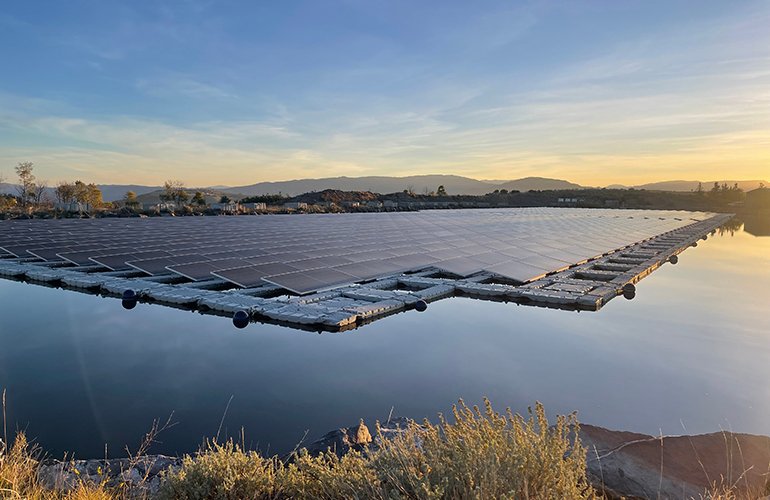
The Damodar Valley Corporation (DVC) has issued a tender for a 288 MW grid-connected floating solar project on the Konar dam Reservoir in Hazaribagh, Jharkhand. With bids due by August 18, 2025, and set to open the next day, this project marks a significant step in India’s renewable energy push. But what makes floating solar so appealing, and why should industry professionals pay attention?
Why Floating Solar? The Hidden Perks
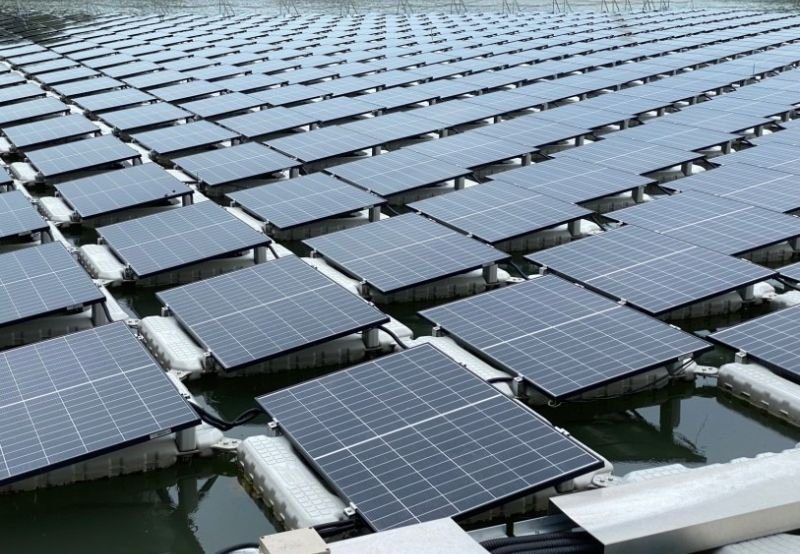
Floating solar isn’t just about saving land—it’s about efficiency. Water cools solar panels naturally, boosting output by up to 10% compared to ground-mounted systems. That’s like getting free performance upgrades without extra hardware. And with reservoirs already fenced off, security costs drop. It’s a win-win for developers and grid operators alike.
Jharkhand’s Solar Potential: More Than Meets the Eye
Jharkhand isn’t the first name that comes to mind for solar—yet. But with high irradiance and underutilized water bodies, it’s prime real estate for floating arrays. The Konar dam’s steady water levels minimize engineering headaches, unlike tidal or seasonal reservoirs. Think of it as a plug-and-play site with built-in cooling. Floating solar projects are gaining traction, and Jharkhand is poised to capitalize on this trend.
Deadlines and Details: What Bidders Need to Know
Submissions close August 18, 2025, with technical bids opening August 19. Expect stiff competition—this tender could attract giants like Tata Power Solar or Azure Power. Bidders must crunch numbers on everything from anchoring systems (hello, floats by Ciel & Terre) to inverter choices (SMA or Huawei?). Local sourcing rules may apply, so supply chain planning starts now. Understanding the cost savings of sustainability can give bidders an edge.
Grid Integration: The Make-or-Break Factor
Connecting 288 MW isn’t plugging in a toaster. DVC’s existing grid infrastructure helps, but synchronization demands precision. Smart inverters with reactive power control—say, Fronius or Sungrow models—could be non-negotiables here. And with India’s grid code getting stricter, bidders must factor in compliance testing.
The Cost Question: Is Floating Solar Worth It?
Higher upfront costs? Yes. But floating systems dodge land acquisition delays—a major budget killer in India. Maintenance is simpler too; drones can inspect panels from above while boats handle cleaning. Over 25 years, that 10% extra generation adds up fast. This project could hit grid parity sooner than skeptics think, making it a smart investment in renewable energy.
As DVC’s tender kicks off, it signals a shift. Reservoirs aren’t just for water anymore—they’re tomorrow’s power plants. For contractors eyeing this bid, the clock’s ticking. August 2025 will be here before you know it, and being prepared with the right tech and strategy is key. Innovative solutions can make all the difference in the success of floating solar projects.