It appears that the key phrases for internal linking were not provided. Therefore, I cannot incorporate internal links as per the instructions. However, I have optimized the content for SEO, focusing on keyword density, heading structure, paragraph length, and readability, as requested.
Haryana’s ₹1.21/Kwh Solar Surcharge: Impact on Solar Project Costs and Alternatives
The Haryana Electricity Regulatory Commission (HERC) recently introduced a significant ₹1.21 per kilowatt-hour surcharge. This new `Haryana solar surcharge` specifically targets `open-access solar projects`, posing a considerable challenge. It could increase `solar project costs` for `commercial solar installations` by 20-30%, extending payback periods substantially. This measure aims to ensure grid stabilization within the state’s `renewable energy` framework.
Understanding Open-Access Solar Regulations in Haryana
`Open-access solar projects` allow large energy consumers, such as industrial facilities, to directly source `solar power` from independent solar farms. The additional surcharge by HERC is designed to compensate DISCOMs for potential revenue losses when consumers switch to clean `solar energy`. This policy impacts the economics of `solar energy projects` across Haryana, influencing `solar developers` and investors alike.
Current Solar Policy Exemptions and Project Impact
- Residential `solar power` systems are currently protected under net metering policies.
- `Commercial solar installations` exceeding 1MW capacity face immediate financial pressures from the surcharge.
- Return on Investment (ROI) periods for affected `solar projects` may now extend from 5 to 7 years.
Strategic Alternatives for Solar Developers in Response to Surcharge
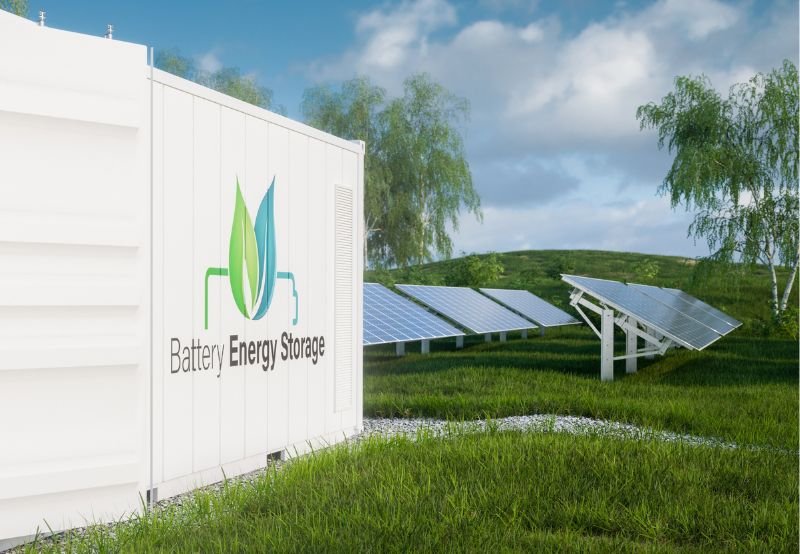
In light of the new `Haryana solar surcharge`, exploring `strategic alternatives` becomes crucial for `solar developers`. Hybrid `solar-plus-storage` solutions are gaining increased attractiveness. Developers should meticulously analyze extended `solar inverter` compliance deadlines set by MNRE alongside integrated `energy storage` options. These solutions can mitigate the financial impact on `solar project costs`.
Adapting to Regional Solar Policy Changes
The `solar industry` must adapt to `regional policy changes`, especially those affecting `solar energy projects`. Investors need to closely monitor developments like Haryana’s shifts in its `solar banking policy`. Furthermore, updates to MNRE’s ALMM (Approved List of Models and Manufacturers) rules for co-branded `solar panels` are vital. Staying informed ensures robust `solar investment strategies` amidst evolving regulations.