EPA Terminates $7B Solar For All Program: Impacts on Residential Solar Adoption
The Environmental Protection Agency (EPA) has made a significant decision, impacting the renewable energy sector. They have canceled the $7 billion Solar For All program, an initiative crucial for expanding residential solar adoption. This program was designed to democratize solar access, especially for low-income communities, through federal grants for rooftop solar installations.
What Was the Solar For All Program?
The Solar For All program was a federal effort with clear objectives to boost solar energy integration. Its core benefits included:
- Subsidizing rooftop solar for underserved communities.
- Providing vital job training for solar technicians.
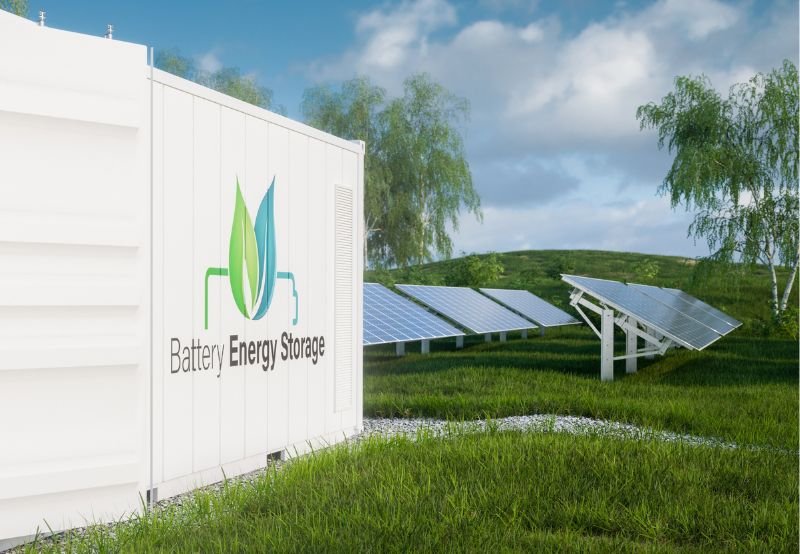
- Integrating battery storage solutions with new solar installations.
Immediate Consequences for Residential Solar Growth
Industry analysts anticipate several negative outcomes for residential solar growth due to this termination:
- An expected rise in soft costs for residential solar projects.
- A potential slowdown in overall solar adoption rates, even with falling equipment costs.
- Possible job losses in the burgeoning community solar development sector.
States Forced to Adjust Solar Policies
Without federal support withdrawn, states are now compelled to enhance and accelerate local incentive programs. This shift could introduce greater regulatory inconsistencies, reminiscent of past changes in state solar policies. Such adjustments impact the broader solar landscape.
Alternative Paths for Continued Solar Expansion
Leaders within the solar industry are advocating for alternative strategies to ensure continued solar expansion:
- Focusing on robust state-level performance incentives.
- Promoting accelerated commercial solar projects.
- Leveraging remaining federal tax credits effectively.
While the end of the Solar For All program presents challenges, the intrinsic momentum of the solar industry remains. Ongoing technological advancements in solar modules and evolving market dynamics suggest that renewable energy growth will find alternative funding and policy pathways.