PGE Launches 475 MW Battery Storage to Strengthen Grid and Clean Energy
Portland General Electric (PGE) just flipped the switch on three massive battery storage projects, adding 475 MW and 1.9 GWh of capacity to Oregon’s grid. This isn’t just backup power—it’s a game-changer for renewable integration and grid stability.
Why Big Batteries Matter for the Grid
Solar panels don’t produce at night, and wind turbines idle on calm days. That’s where utility-scale energy storage shines. PGE’s new systems can store excess renewable energy when generation outpaces demand—then discharge it during peak hours or emergencies. Think of it like a savings account for electrons.
The Tech Behind the Megawatts
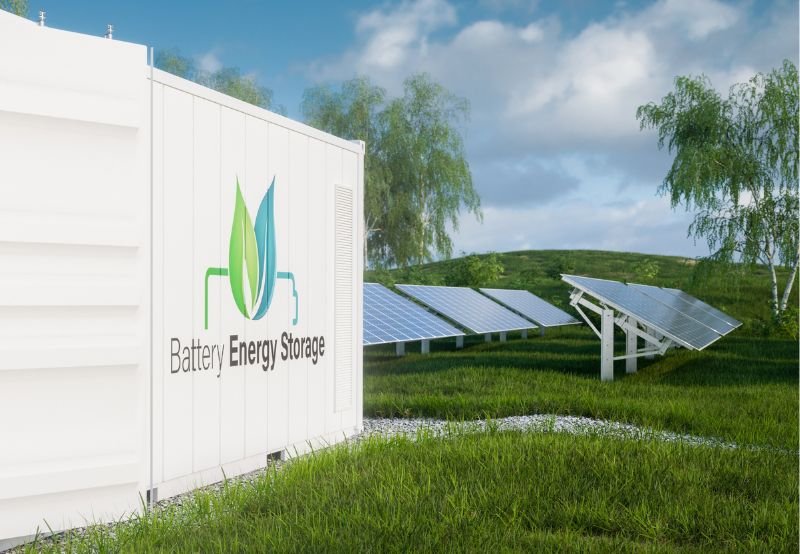
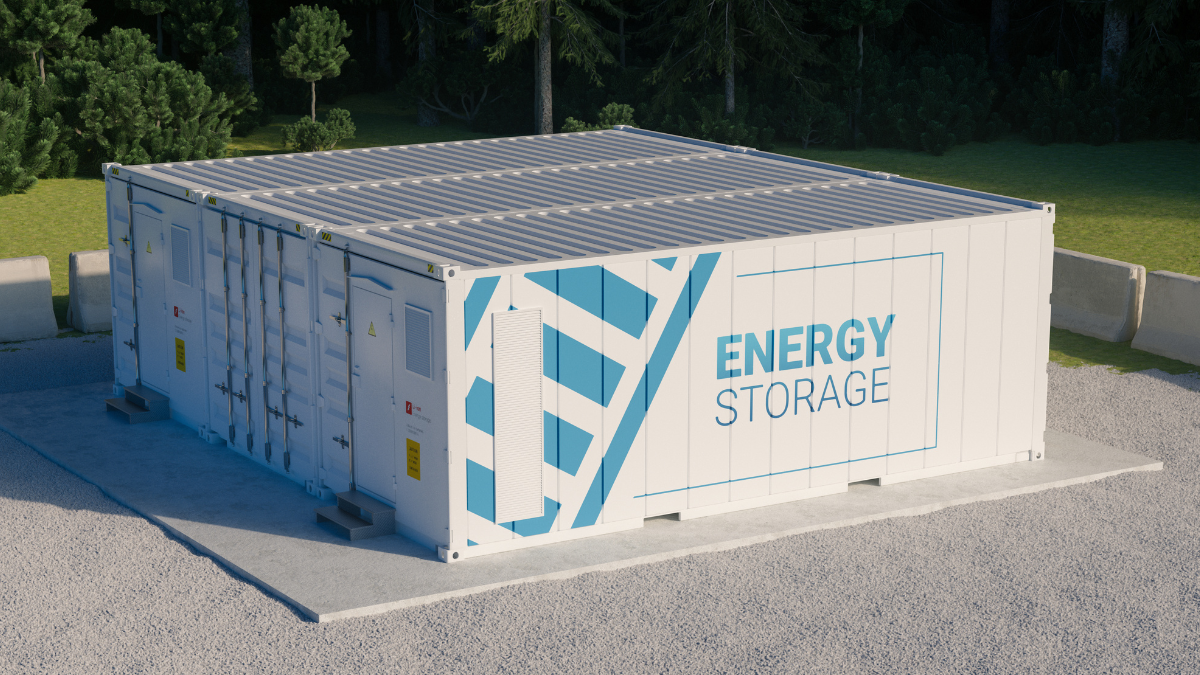
While PGE hasn’t named vendors, projects of this scale typically use lithium-ion batteries similar to Tesla’s Megapack or Fluence’s Gridstack. These aren’t your garage installations; we’re talking warehouse-sized containers with advanced thermal management and grid synchronization.
But What About the Costs?
Yes, battery storage requires upfront investment—but prices have dropped 80% since 2010. At scale, these systems undercut gas peaker plants on lifetime costs while slashing emissions. Bonus: They qualify for federal tax credits under the Inflation Reduction Act, making them more cost-effective.
Portland’s Clean Energy Future
With Oregon targeting 100% clean electricity by 2040, solar is the missing piece. PGE’s rollout mirrors California’s strategy but with Pacific Northwest twists—like optimizing for hydroelectric partnerships.