ACWA Power Surges 62% in H1 2025 While Boosting Renewables
ACWA Power isn’t just riding the green energy wave—it’s steering the ship. The Saudi-based giant just posted a 62% profit jump for the first half of 2025, proving that renewables and desalination aren’t just ethical choices but solid business moves. You might wonder how a company known for water desalination became a renewable energy heavyweight. The answer lies in their hybrid approach.
The Numbers Behind the Green Boom
Let’s break it down: ACWA’s revenue hit $2.3 billion in H1 2025, with net profit soaring past $760 million. Their portfolio now includes 67 active projects across 12 countries, from solar farms in Egypt to wind parks in South Africa. Yet here’s the twist—while fossil fuel projects still contribute, renewables are growing three times faster.
Desalination Meets Solar: An Unlikely Power Couple
Solar panels and water plants might seem like odd partners, but ACWA’s integrated energy-water nexus is rewriting the rules. Their Rabigh 3 desalination plant in Saudi Arabia runs on a 20 MW solar array, cutting operational costs by 40%. That’s not just smart engineering—it’s a blueprint for drought-prone regions.
Why This Matters for Solar Professionals
For those knee-deep in PV modules and grid connections, ACWA’s success signals three trends: First, hybrid projects are winning financing deals more easily. Second, emerging markets are outpacing Europe in adoption rates. And third? Storage solutions like Tesla Powerwall are becoming non-negotiable in bids.
But What About Grid Stability?
Critics argue that rapid renewable expansion strains power grids. ACWA’s response? Their Bokpoort CSP plant in South Africa—with 9.3 hours of thermal storage—delivers baseload power comparable to coal. The lesson? Solar isn’t just for daylight hours anymore.
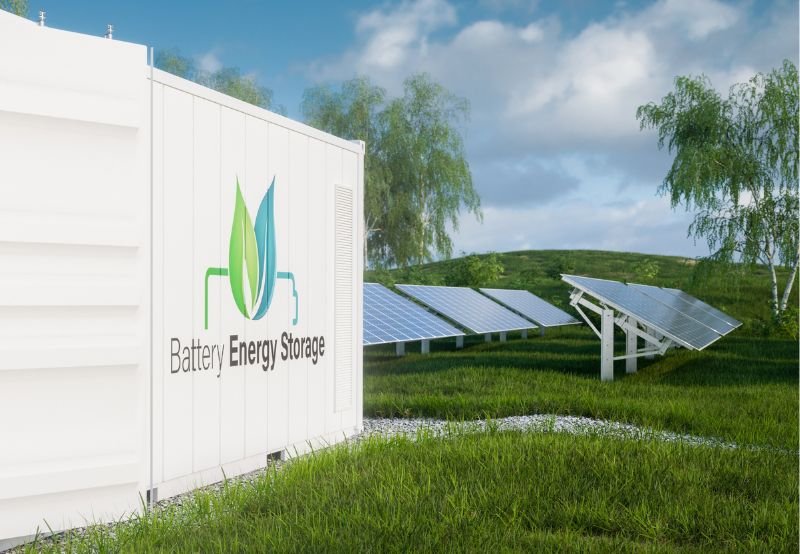
This isn’t theoretical. California’s 2020 blackouts taught us that intermittent supply needs backup. ACWA’s portfolio now includes 1.4 GW of battery storage capacity, making renewables as reliable as conventional plants.
The Road Ahead: More Than Megawatts
ACWA’s playbook goes beyond installation numbers. They’re betting big on green hydrogen, with pilot projects in Oman aiming for $1.50/kg production costs. That could make Middle Eastern hydrogen cheaper than European natural gas by 2027.
The bottom line? ACWA’s 62% surge isn’t luck—it’s proof that the energy transition can be profitable today, not someday. For solar pros, that means one thing: the market is moving faster than we thought.