India Expands Solar Access with New Utility-Led Program for Roofless Homes
Imagine living in a house with no rooftop to call your own—how do you tap into solar energy? India’s government just answered that question with its latest initiative under the PM Surya Ghar: Muft Bijli Yojana. Union Minister Pralhad Joshi announced the utility-led solar program at the Mercom India Renewables Summit 2025, targeting households that lack suitable rooftop space. Here’s why this matters: it’s not just about panels on roofs anymore. It’s about democratizing solar for everyone.
The Roofless Solar Solution
For years, rooftop solar has been the go-to for homeowners. But what if your roof is too small, shaded, or simply non-existent? The new utility-led program sidesteps these barriers by letting households connect to community solar projects or ground-mounted systems. Think of it as a shared solar playground—your home might not have the space, but the grid does.
How It Works (Without the Jargon)
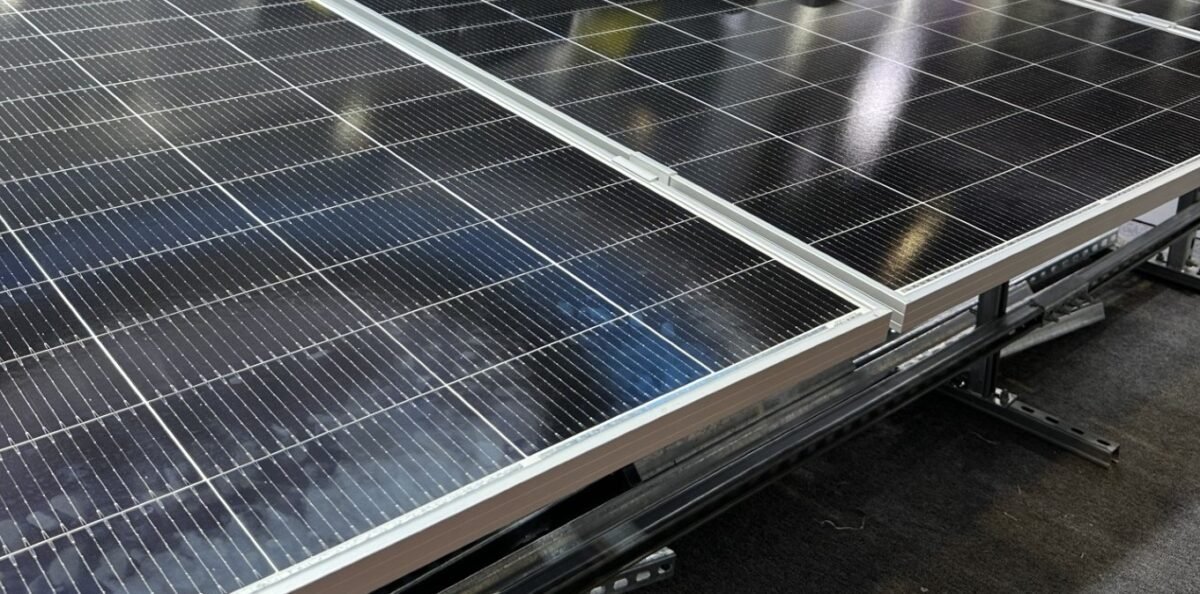
Instead of installing panels on individual homes, utilities will set up larger solar arrays—maybe on vacant land or industrial zones—and feed the power back to households. Participants can subscribe to a portion of the output, much like leasing a Tesla Powerwall but without the hardware at home. Net metering credits will apply, so your electricity bill still shrinks.
India’s Clean Energy Momentum
Joshi dropped another bombshell: India now gets 50% of its installed electricity capacity from non-fossil sources. That’s 245 GW of renewables, including 116 GW from solar. “We hit this milestone five years early,” he said, crediting PM Modi’s push. The numbers speak for themselves—clean energy added in 2024 alone saved INR 4 trillion in fossil fuel imports. Not too shabby.
But What About Storage?
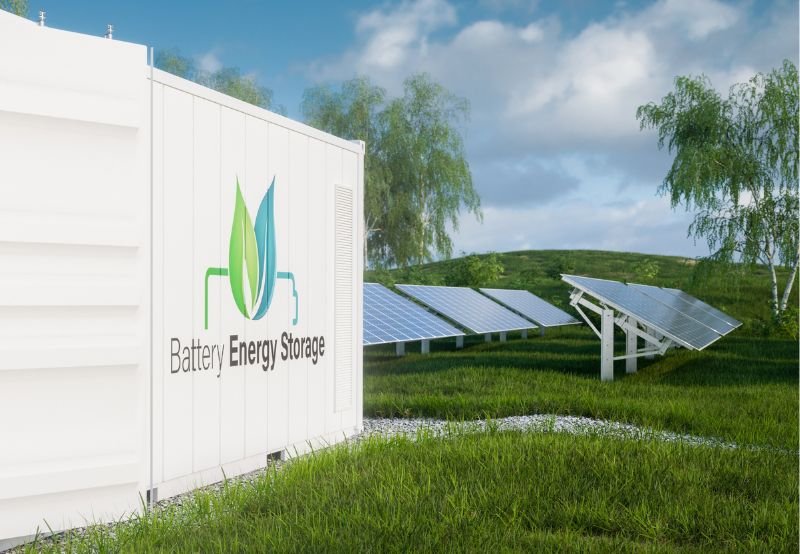
Solar’s Achilles’ heel has always been nighttime. Enter the government’s INR 54 billion funding for 30 GWh of battery storage. That’s enough to back up peak evening demand, and it’s expected to pull in INR 330 billion in private investment. Batteries aren’t sci-fi anymore; they’re the glue holding India’s solar dream together.
The Road Ahead: Five Priorities
Joshi outlined key focus areas:
- PPAs: Locking in long-term power purchase agreements to stabilize prices.
- Grid Upgrades: No more “my solar inverter fried the local transformer” stories.
- Made-in-India: Boosting domestic solar panel and electrolyzer manufacturing.
- Land Use: Converting wastelands into solar farms—no fertile soil sacrificed.
- Financing: Easier loans for projects, because green energy shouldn’t need a gold-plated credit score.
The Big Picture
This reminds me of California’s 2020 rollout—ambitious, but with more chai and less red tape. India’s solar program isn’t just about electrons; it’s about equity. Whether you’re in a Mumbai high-rise or a Rajasthan village with no rooftop, the sun doesn’t discriminate. And now, neither will the grid.