Mobi Solar Secures Landmark 2.5 MW Rooftop Solar Expansion in Philippines
When Filipino shoppers walk into a XentroMall next year, they probably won’t notice the rooftop solar panels humming overhead—but that’s exactly why this deal matters. Mobi Solar Philippines just inked its first major Power Purchase Agreement (PPA) with XRC Mall Developer Inc., committing to install 2.5 megawatts of PV capacity across multiple retail locations. Discover why this corporate deal signals a transformative shift in Philippines’ renewable energy landscape.
Breaking Down the 2.5 MW Commercial Solar Project
While 2.5 MW sounds modest compared to utility-scale farms, these mall installations will generate enough clean energy to power approximately 800 Filipino households annually. Unlike remote solar fields requiring transmission lines, this distributed generation feeds directly into energy-intensive commercial buildings—a game-changer for tropical climates with high cooling demands.
The PPA Advantage for Retail Chains
Mobi Solar’s innovative model solves the capital hurdle faced by most mall operators:
- XentroMall pays only for electricity produced
- Zero upfront infrastructure costs
- 15-20% immediate savings versus utility rates
This mirrors successful models seen in industrial solar installations worldwide, creating win-win scenarios for businesses and renewable providers.
The Untapped Potential of Commercial Rooftops
The Philippines offers ideal conditions with:
– High solar irradiance (4.5-5.5 kWh/m²/day)
– Elevated electricity prices ($0.18-0.25/kWh)
– Supportive net metering policies
Implementation Challenges & Solutions
Retrofitting older malls requires hurricane-rated racking solutions and structural assessments—critical considerations in typhoon-prone regions where wind speeds can exceed 120 kph during storms.
Strategic Impact on ASEAN’s Energy Transition
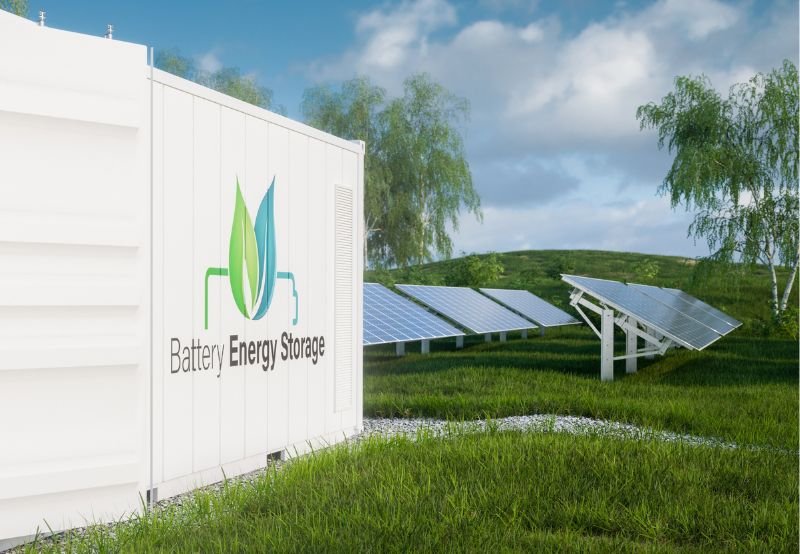
This project demonstrates how commercial PPAs can bypass grid bottlenecks, providing reliability for businesses in cities like Cebu that experience frequent brownouts. The model aligns with broader energy storage solutions needed for Southeast Asia’s sustainable future.