Australia Launches Four 32 GW Renewable Energy Tenders for 2030
The Australian government has unveiled an ambitious plan to fast-track its renewable energy transition, announcing four new Capacity Investment Scheme (CIS) tenders before the end of 2025. These tenders aim to deliver 32 GW of new solar, wind, and storage capacity by 2030—enough to power millions of homes and businesses. Here’s what solar professionals need to know.
Why This Matters for Australia’s Energy Future
Australia’s energy landscape is shifting rapidly. With coal plants retiring and electricity demand growing, the country needs reliable, clean energy—fast. The CIS tenders aren’t just about hitting climate goals (though 82% renewables by 2030 is no small feat). They’re about keeping the lights on without relying on outdated infrastructure.
Breaking Down the Four Tenders
The Department of Climate Change, Energy, the Environment and Water (DCCEEW) confirmed two August tenders: one for solar/wind generation and another for dispatchable capacity (think Tesla Powerwall-scale batteries) in Western Australia’s Wholesale Electricity Market (WEM). September brings a National Electricity Market (NEM) generation tender, followed by a NEM dispatchable capacity round in November.
Goodbye Red Tape, Hello Faster Results
The new streamlined one-stage bidding process—replacing the old two-stage system—cuts tender timelines from nine months to six. Developers can now submit financial and technical details simultaneously. Fewer delays mean quicker deployments, tighter project planning, and fewer overlaps between tender rounds. Remember how California’s 2020 rebate delays stalled projects? Australia’s aiming to avoid that mess.
Storage Gets Its Moment
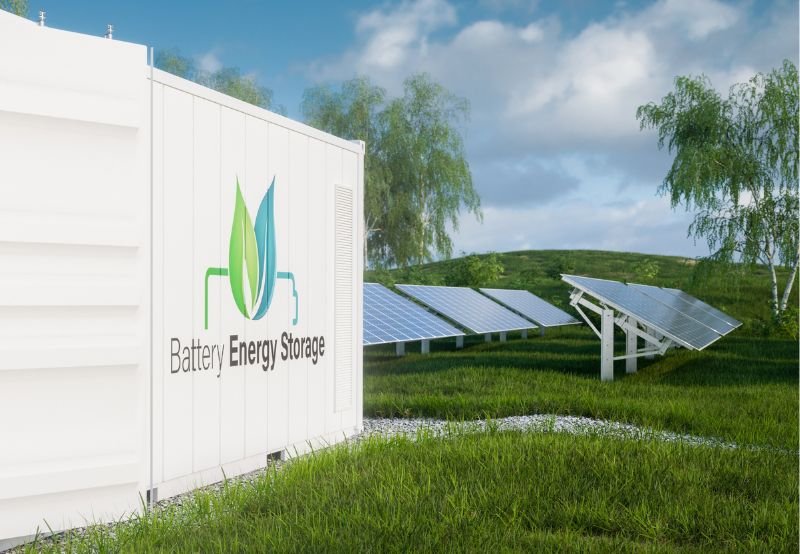
Solar alone won’t solve Australia’s energy puzzle. That’s why 9 GW of the 32 GW target is earmarked for dispatchable storage. Lithium-ion batteries dominate now, but don’t rule out emerging tech like flow batteries or even hydrogen hybrids. The key? Storage that kicks in when the sun sets or wind dies down.
What’s in It for Solar Developers?
These tenders offer long-term revenue certainty through government underwriting—crucial in a market where energy prices fluctuate wildly. Projects meeting eligibility criteria get a guaranteed floor price, reducing financial risk. For installers pairing panels with Fronius inverters and battery systems, it’s a chance to scale up without betting the farm on volatile spot markets.
The Grid Can Handle This… Right?
Adding 32 GW sounds great until you remember Australia’s grid was built for coal. Transmission upgrades are lagging, and regional bottlenecks could slow connections. But new Renewable Energy Zones (REZs) might ease congestion. It’s a classic chicken-or-egg scenario: build renewables first, or strengthen the grid? Australia’s betting on both.
Bottom line: These tenders mark Australia’s most aggressive push yet toward a renewables-led grid. For solar pros, it’s time to sharpen pencils—and maybe hire more crews.