Shree Cement Cuts Grid Dependence with New 6 MW Solar Plant
Shree Cement, one of India’s leading cement manufacturers, is making waves with its new industrial rooftop solar sustainability project. The 6 MW installation aims to slash reliance on grid power while advancing the company’s ambitious sustainability goals.
Why Solar Makes Sense for Cement Manufacturing
Cement production is energy-intensive, traditionally powered by fossil fuels. Shree Cement’s solar plant will generate approximately 9 million units of clean electricity annually – equivalent to powering thousands of homes. This sustainable manufacturing with rooftop solar approach demonstrates how heavy industry can reduce its carbon footprint.
Key Technical Specifications
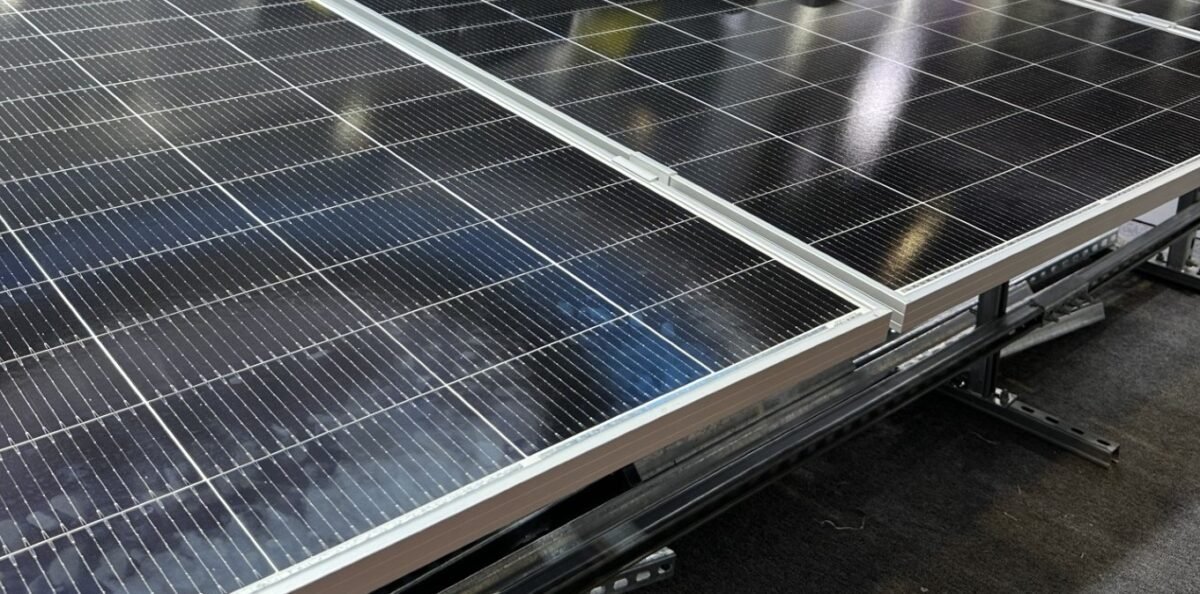
- Polycrystalline solar panels (industry standard for durability)
- Fronius inverters (heat-resistant for harsh environments)
- Monsoon-optimized panel tilt for maximum rain runoff
- Designed for minimal maintenance in dusty conditions
The Financial Case for Solar in Industry
While solar requires upfront investment, Shree Cement’s project shows compelling economics:
- Break-even in under 4 years due to rising industrial electricity tariffs
- Nearly free energy for decades post payback period
- Enhanced by tax incentives and accelerated depreciation
Balancing Grid Independence and Reliability
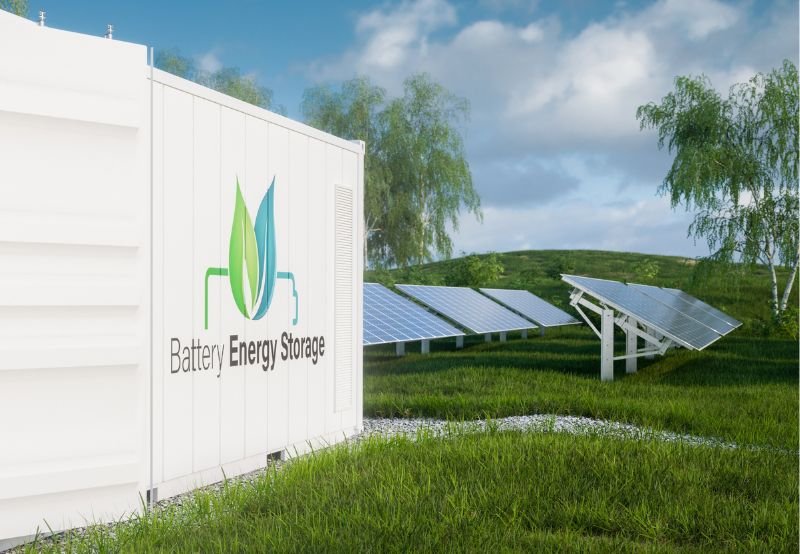
The 6 MW installation won’t fully replace grid power yet but serves as a strategic start. It effectively offsets peak tariff periods and lays groundwork for future expansion into hybrid solar systems with battery storage.
Broader Implications for Indian Industry
This project demonstrates solar’s viability for 24/7 industrial operations. If energy-intensive cement production can make solar work, industries like textiles and steel could follow. With grid parity achieved across most Indian states, the business case is increasingly compelling.
Future Expansion Plans
Shree Cement plans to expand renewables to 50% of its energy mix by 2030. As solar costs continue declining and tariffs rise, hesitation may soon become the more expensive option for Indian manufacturers.